Developer: ADOX FX-39II
Welcome to my very first review on the site!
I recently started to process at home, rather than the community darkroom in Inverness, and my initial chemical selection was somewhat random as I picked what was available and would seem to work with the Vintage Visual AGO Processor… more on which later as I am still getting to grips with it! I will also look at cameras, lenses, film and other anciliiary equipment that makes up my set up as we go along!
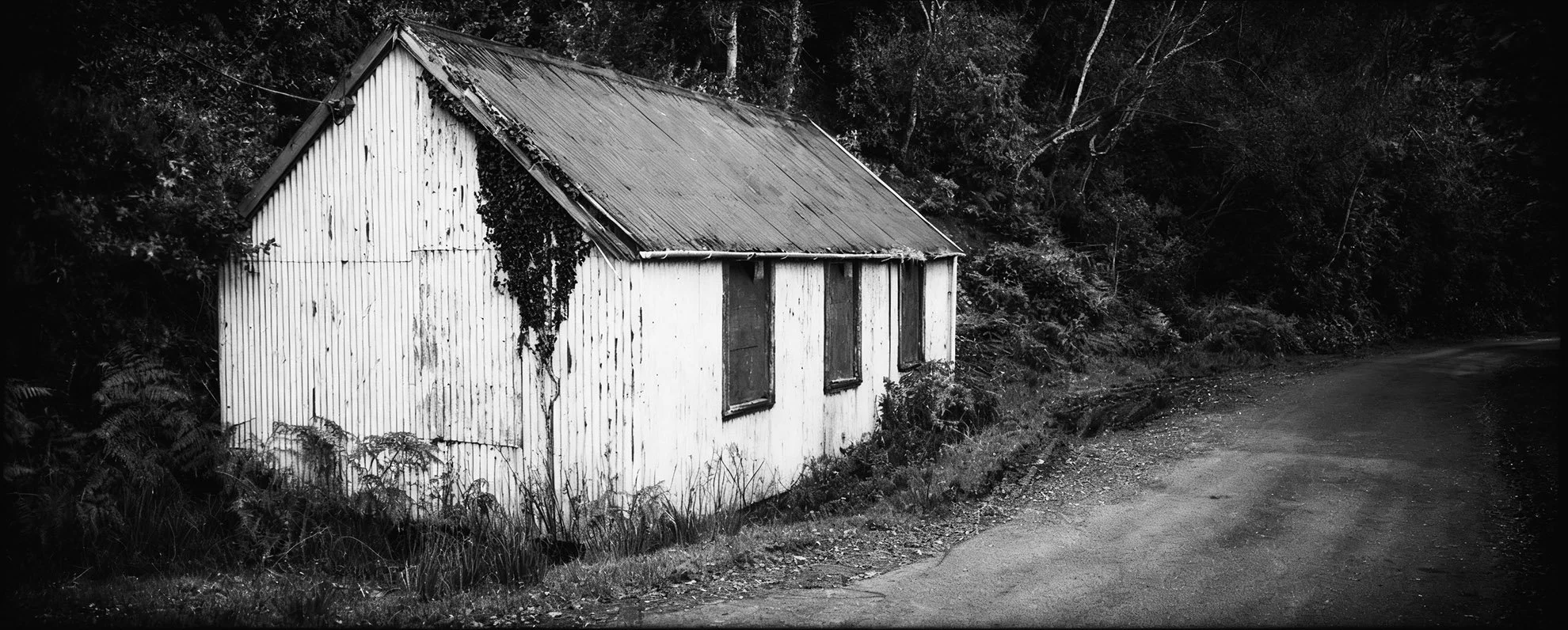
Anyway - FX-39 was a bit of an odd choice in some ways as I have been using Rodinal for the last year - and I have largely grown to love it. The reviews suggested it wasn’t the best option in a rotary processor though as it would over cook the grain, a bit of hunting suggested that FX-39 II may be the solution (no pun intended) so I threw it in the box along with some fairly generic ADOX stop bath and fixer. So far I have only processed one film in this chemical and the results are pretty appealing! A roll of Ilford Delta 400, 35mm, shot on the Olympus OM-2n. The negatives have come out looking pretty good, they are a touch thin - but that is just part of the learning curve with a new camera and finding my feet with different film stocks, but they are detailed with a pretty fine grain!
My negative scanning chops are needing refined further to really showcase the analogue process - a first attempt at print and process in the AGO was mixed due to, again, technique and a learning curve! But the grain was super fine and the contrast was good over the whole of each frame.
This is as much an “initial thoughts” type of a post - I hope to get more in depth with more examples - including scanned prints rather than scanned negatives as that is really what the analogue process is all about! I am more interested in the quality of the physical end print than a scan on a screen!


Developer: Bellini Eco Developer
This is the second developer I am trying at present, still early days!
The Bellini Eco Developer is pretty interesting, it is a clone of Kodak XTOL but supplied as a liquid concentrate that is dialuted 1:1 to create a working stock solution which can then be reused over a month(ish) to process up to around 15 films. I am having a go with this to let my youngest have a play at doing some darkroom work - it is a “safe” chemical being based on Asorbic Acid… or Vitamin C! Which is great in theory, but if it doesn’t work in practice then it is a complete non-starter!
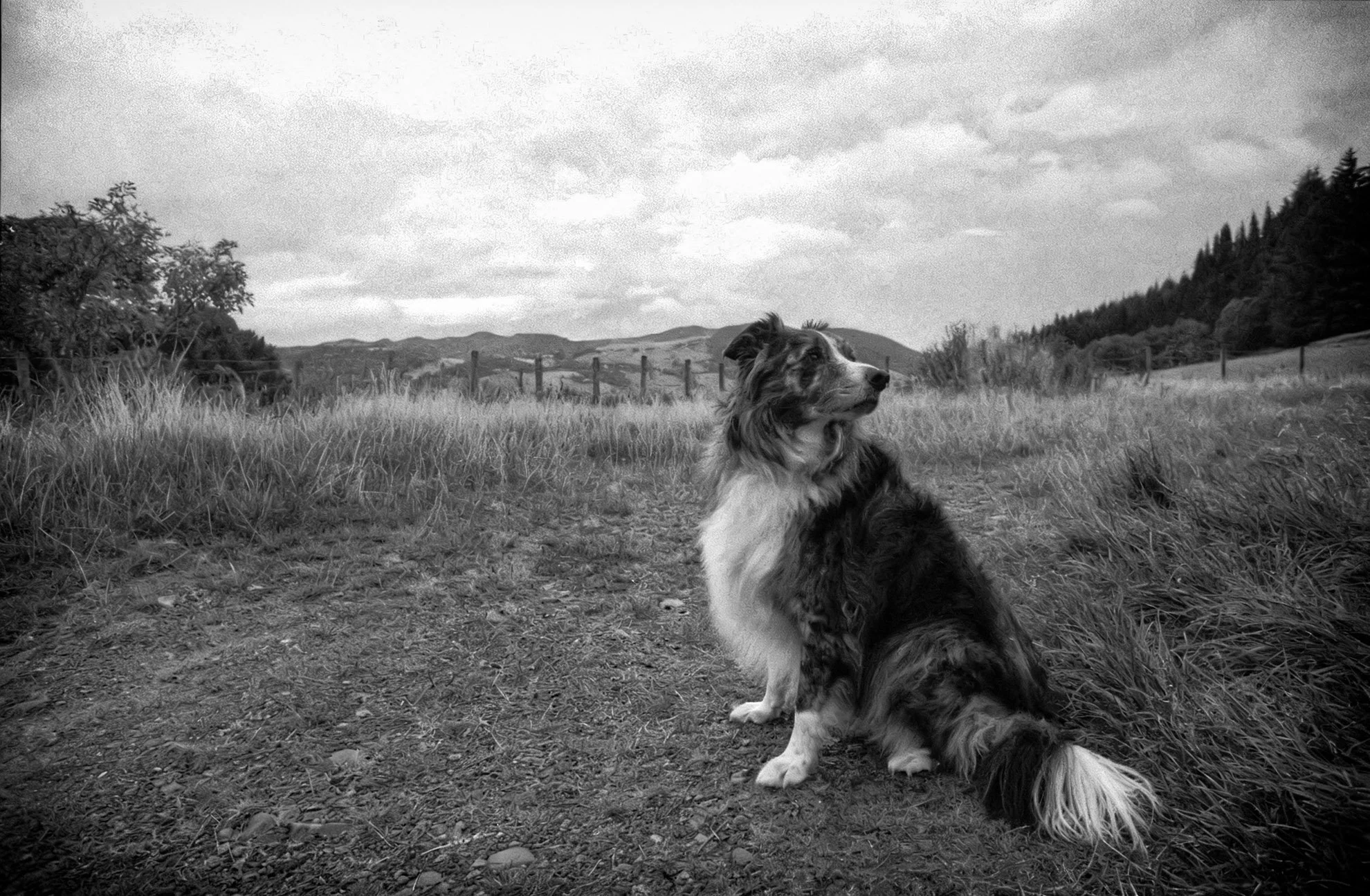
Fortunately it does work! I processed a roll of Ilford FP4+ using the AGO today and the results were wonderfully detailed and fine grained, although it looks like I have either overexposed or over developed the film as it is hugely dense! This is a learning process though so next time I am going to reduce my processing time a touch and see if that helps! First impressions are good though, and this is probably one I will revisit for a more in-depth review soon as we are going to shoot a few films over the weekend and develop those (Kentmere Pan 400 in this case). Being a reusable solution is interesting as I can just pour out the container and pour back in over the next few weeks, which will be good if I am shooting extensively. It will, however, be rather costly if my output is low!